

How to Choose the Right Pilot Headset for Your Budget

1. Why a Good Headset Matters
Whether you’re a student pilot or an instructor, your headset isn’t just comfort gear — it’s essential safety equipment. A quality aviation headset ensures clear communication with ATC and other aircraft, reduces cockpit noise, and keeps you focused on flying.
When you choose a headset based on both your budget and flying habits, you’ll get the best value and performance for your money.
2. Understand Noise-Reduction Types: PNR vs. ANR
There are two main styles of aviation headsets:
-
Passive Noise Reduction (PNR): Uses ear seals and sound-blocking materials to reduce noise. No batteries or electronics required. Affordable and reliable for training and shorter flights.
-
Active Noise Reduction (ANR): Uses electronic microphones and speakers to cancel out ambient noise. They’re more expensive but offer superior comfort and noise protection — especially on long cross-countries or commercial flights.
Budget tip: If you’re just starting out, a solid PNR headset like the ASA HS-1A will serve you well. For frequent or professional flying, ANR is worth the investment.
3. Match the Headset to Your Flying Habits and Budget
 |
Entry-Level / Student Pilot Budget (~$150)
The ASA HS-1A is a dependable, budget-friendly passive headset ideal for student pilots. It offers clear audio, a flexible boom mic, and comfortable gel ear seals — all at a very approachable price point. It’s an excellent first headset for flight training under Part 61 programs like ours at Haski Aviation.
|
 |
Mid-Range / Regular Private Pilot (~$400)
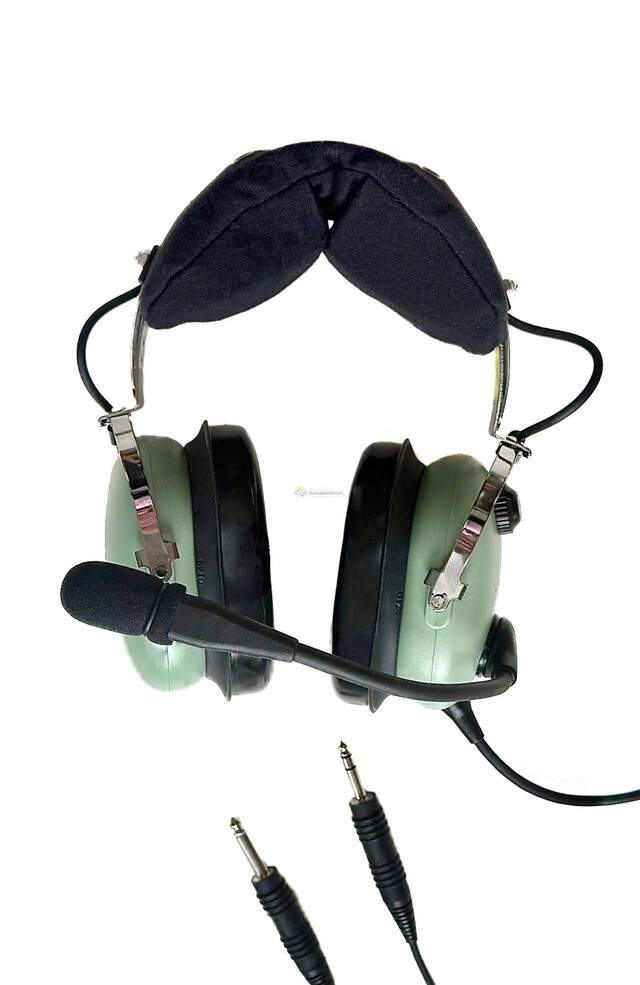
The David Clark H10-13.4 is one of the most popular aviation headsets ever made — and for good reason. Known for its outstanding durability, audio clarity, and all-day comfort, it’s a top choice for both student and professional pilots.
|
 |
Premium / Frequent Pilot or Instructor (~$1,000+)
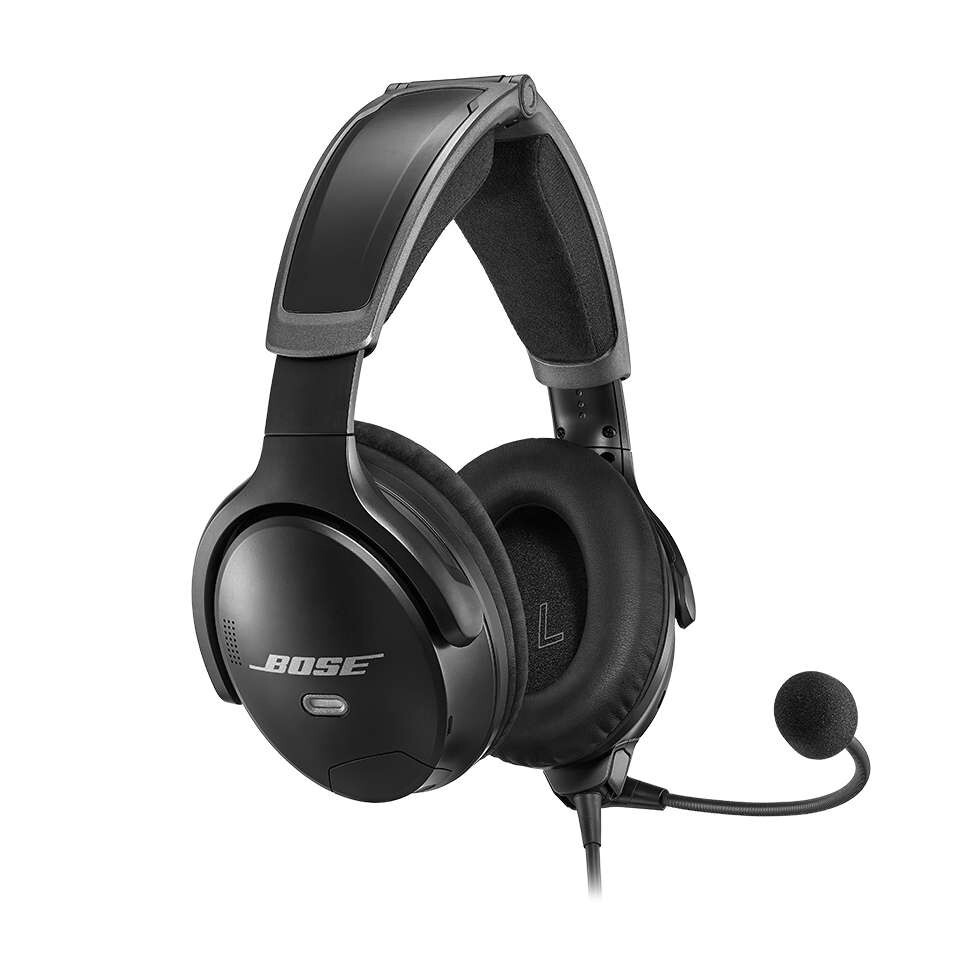
For serious flyers and CFIs, the Bose A30 is a premium ANR headset offering unmatched comfort, world-class noise cancellation, and Bluetooth connectivity. It’s lightweight, customizable, and perfect for long flight days or noisy environments. If you fly frequently or professionally, this level of comfort and quiet is worth every dollar.
|
4. Top Features to Compare
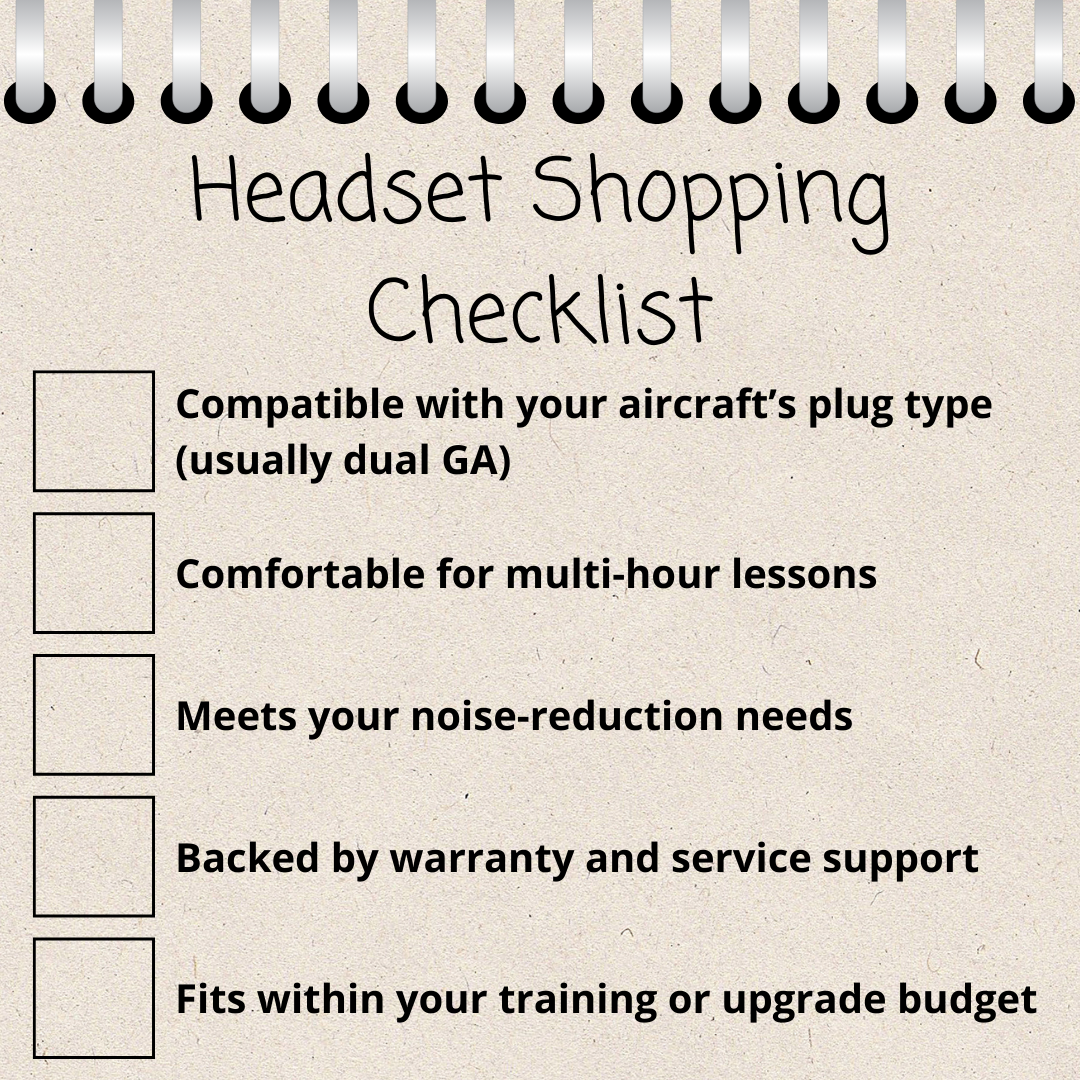
When evaluating headsets, keep these factors in mind — not just the price tag:
-
Comfort & Fit: Weight, ear-cushion quality, and adjustability make a huge difference on long flights.
-
Plug Type: Make sure it’s compatible with your aircraft’s audio panel (dual GA plugs are standard in most trainers).
-
Durability: Choose a headset with a solid build, replaceable parts, and a good warranty.
-
Extras: Bluetooth, music input, or panel-powered ANR options can add convenience but aren’t essential for training.
5. Set a Realistic Budget
If you’re new to flying, start with a solid PNR headset like the ASA HS-1A and upgrade later as your flying increases. If you plan to train intensively or fly often, investing in the David Clark H10-13.4 upfront will save you from upgrading mid-training.
For frequent flyers and instructors, premium ANR models like the Bose A30 deliver exceptional long-term comfort and performance.
6. Shop Smart — Online or In-Person
You can browse and order any of these models directly through SkySupplyUSA for quick, reliable service.
Or, if you’d rather try them out in person, come by the Haski Aviation supply shop! We stock multiple headset models — including the ASA HS-1A, David Clark H10-13.4, Bose A30, and other popular options — so you can try them on, compare comfort, and find the perfect fit before you buy. Our staff can help you choose the headset that matches your training goals and budget.
Final Thoughts
The right headset makes every flight safer, quieter, and more enjoyable. Whether you’re just starting out or already instructing, choosing the right model from SkySupplyUSA — or testing them in person at the Haski Aviation supply shop — ensures you get dependable performance for your budget.
30th Jan 2026
Explore Popular Articles
-
How to Choose the Right Pilot Headset for Your Budget
30th Jan 20261. Why a Good Headset Matters Whether you’re a student pilot or an instructor, your headset isn’t j
-
SkySupplyUSA Holiday Gift Guide 2025
24th Nov 2025* This is a repost from our local flight school, posted with permission from haski.com The Best Gif
-
David Clark JET-X Headset is now available!
26th Mar 2025David Clark has just introduced the New David Clark Jet-X premium headset. A headset designed